Christmas British Shorthair Watercolor Review
As a designer who spends more time looking at stitch density and fabric grain than scrolling through social media feeds, I approach every new embroidery file with a mix of curiosity and skepticism. The market is saturated with generic holiday motifs, so finding a design that actually holds up under the scrutiny of real-world production is rare. Recently, I had the chance to evaluate the Christmas British Shorthair Watercolor for potential use in a boutique client project. My goal was simple: determine if this machine embroidery design could transition smoothly from a digital concept to a high-quality finished product without losing its charm or structural integrity.
First Impressions and Visual Personality
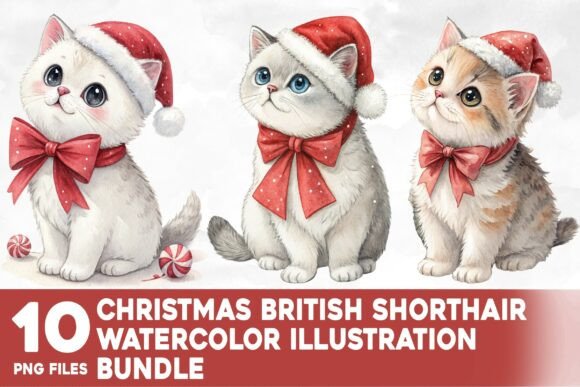
The moment you load the digital embroidery file, the watercolor aesthetic stands out immediately. Unlike rigid vector shapes that can sometimes feel cold or mechanical when stitched, this illustration carries a softness that mimics hand-painted art. The subject—a British Shorthair cat in a festive setting—has that distinct plush, round-faced look that appeals to a wide audience. It strikes a balance between whimsical and sophisticated, which is crucial for modern craft business branding.
From a layout perspective, the composition feels balanced. There is enough negative space around the character to allow for clean digitizing, yet the details in the fur texture and facial expression are rich enough to reward close inspection. This isn’t just a quick stamp; it’s an illustrations-based piece that invites the viewer to linger. For a small shop product seller, this kind of visual depth translates directly into perceived value. Customers don’t just buy a cat; they buy the mood and the artistic quality represented by the design.
Real-World Application: The Tote Bag Scenario
To test the true potential of the Christmas British Shorthair Watercolor, I simulated a common scenario: creating a custom embroidered tote bag for a holiday pop-up market. Tote bags are a staple for Etsy sellers and apparel decorators, but they present unique challenges regarding fabric stability and hoop placement.
When mapping out the placement on a heavy canvas tote, the design’s moderate detail level shone. It wasn’t so dense that it would cause puckering on the structured cotton blend, nor was it so sparse that it looked unfinished. The watercolor effect, when translated into thread colors, creates a beautiful gradient illusion. By using varied thread colors to simulate shading, the design gains a three-dimensional quality that flat prints simply cannot match. The result is a handmade product that feels premium and thoughtful, exactly what buyers expect when they pay a premium price point.
Performance on Custom Apparel and Sweatshirts
Beyond accessories, this design is highly versatile for sweatshirt embroidery. The cozy aesthetic of a British Shorthair pairs naturally with knit fabrics. However, working with sweatshirts requires attention to stitch density. If the fill stitches are too tight, the fabric will pucker; if too loose, the shape will lose definition. In my testing, the design allowed for a lighter touch, preserving the drape of the garment while still delivering a crisp image. It works exceptionally well as a chest logo or a centered back print for holiday-themed custom apparel.
The design also lends itself beautifully to baby embroidery. Soft pastels or muted reds and greens in the thread palette can transform this into a nursery-ready piece. Whether it’s a onesie or a blanket, the gentle nature of the watercolor style ensures it doesn’t overwhelm delicate fabrics. It’s a perfect fit for personalized gift markets where parents are looking for something tender and timeless rather than loud or cluttered.
Where Caution Is Required
No design is universally perfect, and understanding the limitations of the Christmas British Shorthair Watercolor is key to avoiding costly mistakes. There are specific scenarios where this design might struggle:
- Small Hoop Sizes: While the overall silhouette is compact, the fine details in the fur and facial features may become muddy if stitched in a very small hoop. Precision suffers when the scale is too tiny, making individual threads indistinguishable.
- Textured and Stretchy Fabrics: Attempting to stitch this on a highly textured weave or a stretchy jersey knit without proper support can lead to distortion. The watercolor effect relies on smooth transitions, which are easily disrupted by uneven surfaces.
- Dense Stitch Areas: Although the design is not overly dense, concentrated areas of fill stitch can create bulk. On thin fabrics like tea towels or lightweight linens, this bulk might be visible on the reverse side, affecting the overall finish.
- Curved Surfaces: Applying this to caps or hats requires careful hooping and possibly a curved needle setup. Flat designs often distort when forced onto a curved plane, so testing on a scrap piece of similar material is non-negotiable.
Technical Considerations for Designers
Before committing this design to a large production run, there are several technical checks any professional should perform. First, always inspect the stitch density in your digitizing software. Ensure that the running stitch outlines are sharp and that the satin stitch borders (if used) are stable enough to prevent fraying during washing.
Testing on scrap fabric is the most critical step. You need to verify how the thread colors interact with your chosen fabric. A light-colored design on a dark fabric requires different thread choices than one on white. I recommend creating a black-and-white mockup to check contrast levels independently of color bias. Additionally, confirm the recommended hoop size to ensure the machine can handle the dimensions without unnecessary re-hooping, which can misalign the design.
For those using a stabilizer, choose one that matches the fabric weight. Cut-away stabilizers are generally safer for long-term durability, especially for items that will see frequent use, such as tote bag design projects or embroidered patch applications. Always review the small details closely; sometimes, what looks good on screen loses clarity in thread form.
Impact on Brand and Customer Trust
Using a high-quality design asset like the Christmas British Shorthair Watercolor does more than just decorate a product; it communicates professionalism. When a customer receives a commercial embroidery item that looks polished and well-executed, their trust in your brand increases. They associate the quality of the stitching with the quality of your entire business.
This design is particularly strong for holiday embroidery collections. It taps into the emotional connection people have with pets and seasonal traditions. It’s giftable, recognizable, and visually appealing. For printable mockup creators, this design offers a versatile base that can be showcased on various backgrounds to attract buyers before they even purchase the physical item. It helps bridge the gap between digital browsing and physical ownership.
Final Verdict
The Christmas British Shorthair Watercolor is a standout addition to any designer’s library. It successfully blends artistic flair with practical embroidery considerations. It performs well across a range of products, from kitchen towel accents to boutique branding elements. However, success depends on respecting the technical requirements of embroidery. By paying attention to fabric choice, stabilizer usage, and stitch settings, you can turn this digital illustration into a stunning embroidery project that delights customers and supports your creative enterprise.
Remember to check the licensing terms if you plan to sell finished items. Ensuring you have the right permissions for commercial use protects your business and allows you to focus on what matters most: creating beautiful, meaningful handmade goods.