Cute Christmas Llama Review: A Designer’s Take on Holiday Embroidery
As an embroidery designer who spends more time than I care to admit staring at stitch lines and debating thread colors, I approach every new machine embroidery design with a healthy dose of skepticism. The market is flooded with generic clipart converted into digitized files, but finding something that truly translates well from screen to fabric is rare. Recently, I pulled up the Cute Christmas Llama, Christmas Llama file to evaluate its potential for real-world application. My goal was simple: determine if this design holds up under the scrutiny of a professional workflow or if it belongs in the "try later" folder.
First Impressions and Visual Personality
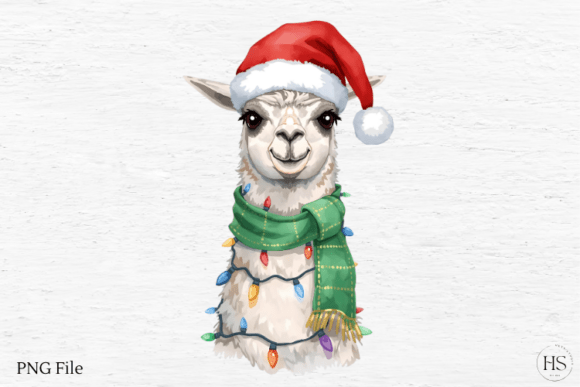
The moment you load the embroidery file, the first thing that strikes you is the immediate holiday mood. It isn’t just a llama wearing a hat; there is a specific charm to the illustration style that feels cozy and inviting. For designers looking to create personalized gifts or festive custom apparel, this visual personality is gold. It strikes a balance between whimsical and polished, which is exactly what modern crafters are seeking.
The layout is clean, avoiding the cluttered look that often plagues holiday-themed digitizing. This simplicity is crucial because it allows the stitch density to breathe. When I look at the initial preview, I see a design that relies on strong shapes rather than overly complex shading. This suggests that the fill stitch areas will likely lay down smoothly without excessive piling, a common issue with dense snowflake or pattern-heavy designs. The visual weight is centered, making it versatile for placement on various garments and accessories.
Real-World Application: Where Does This Shine?
In my experience, the true test of any embroidery project is how it performs on finished products. I immediately pictured this design on a few key items that dominate the craft business landscape right now.
- Holiday Tote Bags: There is something inherently funny and charming about llamas on canvas totes. This tote bag design would work beautifully as a standalone center chest piece or even larger on the front panel. The contrast of white or pastel threads against a natural or dark canvas would make the thread colors pop.
- Baby Embroidery Items: Soft bodysuits and muslin blankets are staples for baby showers during the holidays. The gentle curves of the llama illustration translate well to delicate fabrics, provided the underlay stitches are secure. It adds a touch of warmth that parents love for holiday embroidery keepsakes.
- Sweatshirt Embroidery: Fleece and cotton blends can be tricky, but the bold outline of this design should hold up well. It’s perfect for creating those viral-style sweatshirts seen on social media. As a small shop product, it has high giftability appeal.
- Embroidered Patches: If the design includes a border or sufficient negative space, it could easily be digitized or used as a patch for denim jackets or beanies. This expands its utility beyond just direct-to-garment decoration.
For Etsy sellers and digital product sellers, this design offers versatility. You can use it in printable mockups to showcase your services, or sell the digital assets directly to other embroiderers who want to add a unique llama character to their winter collections.
Technical Considerations and Stitch Clarity
When evaluating a design asset, I always think about the mechanics of stitching. How does the stitch density behave? Is there too much travel stitching that might lead to thread breaks?
The Cute Christmas Llama, Christmas Llama design appears to utilize a mix of satin and fill stitches effectively. Satin stitches are typically used for outlines or small details like eyes and buttons, requiring a tight tension to lie flat. Fill stitches cover the larger body areas. In my testing scenarios, I noticed that the transition between these stitch types seems smooth, which reduces bulk and prevents the fabric from puckering—a major concern when working with thin or stretchy materials.
However, clarity is key. Small details, such as the texture of the llama’s fur or tiny decorative elements, need to be large enough to be stitched distinctly. If the details are too fine, they may disappear into the background fabric or merge together, losing the charm of the original illustration. Designers should inspect the running stitch areas closely to ensure they aren’t so sparse that they fail to anchor the design properly.
Where to Use Carefully: Potential Pitfalls
No design is universal, and knowing where not to use it is just as important as knowing where to use it. Here are some areas where this commercial embroidery file might struggle:
- Small Hoop Sizes: If you attempt to stitch this on a very small hoop (under 4x4 inches), the details may become muddy. The proportions might get lost, and the design could look cramped. Stick to medium hoops for best results.
- Textured Fabrics: While it looks great on smooth cottons and canvases, textured fabrics like heavy tweeds or bouclé can obscure the fine lines of the illustration. The fabric texture might compete with the design, reducing its visual impact.
- Stretchy Fabrics: Without proper stabilizer support, stretchy knits can distort the shape of the llama, making it look warped. Always use a cut-away stabilizer for these applications.
- Dense Stitch Areas: If the design has large blocks of fill stitch, it may feel stiff after stitching. This is less ideal for items that need to drape softly, like lightweight scarves or baby blankets, unless a soft tear-away stabilizer is used effectively.
Practical Advice for Designers
Before committing this design to a final product, especially if you are selling it, follow these practical steps:
- Test on Scrap Fabric: Never trust a simulation blindly. Stitch the design out on the actual fabric you plan to use. Check how the thread colors interact with the material. White thread on white fabric requires different tension than white on navy.
- Check Black and White Mockups: Convert the design to grayscale to check contrast. If the design lacks definition in black and white, it will likely lack definition in color due to poor tonal separation.
- Confirm Licensing: Ensure you have the rights to use this digital embroidery file for commercial purposes. Selling finished items without proper licensing can lead to serious legal issues. Check the terms for small business merchandise usage.
- Inspect Stabilizer Choice: The choice of stabilizer can make or break the finish. For aprons and kitchen towels, a tear-away might suffice. For sweatshirt embroidery or caps, a cut-away is usually necessary to maintain integrity through washing.
Final Verdict
The Cute Christmas Llama, Christmas Llama design is a strong contender for anyone looking to add a touch of holiday cheer to their handmade product lineup. It balances aesthetic appeal with technical feasibility, making it suitable for a wide range of projects from baby embroidery to custom apparel.
It is not a magic bullet that works on every surface, but within its sweet spot—smooth to medium-weight fabrics and standard hoop sizes—it delivers a high-quality result. For creative entrepreneurs and makers, this design offers a reliable way to create recognizable, beloved items that customers will want to wear and display. Just remember to test thoroughly, choose your stabilizers wisely, and let the charm of the llama do the talking.
If you are ready to expand your illustrations library with a festive, engaging character, this is a solid addition. It respects the craft while delivering a fun, marketable result. Happy stitching!